
August 2025

Education

Education in the UK: A Comprehensive Guide

Introduction

Education in the UK is recognised worldwide for its high standards, innovative teaching methods, and emphasis on both academic excellence and practical skills. From primary schooling to postgraduate study, the system is designed to prepare learners not only for employment but also for active participation in society. The UK education framework attracts millions of students from around the globe, highlighting its reputation as a centre of quality learning.

Structure of the UK Education System

The UK has a structured pathway that guides learners from early years to higher education. It is divided into several key stages:

Early Years and Primary Education

Children usually begin formal schooling at the age of 4 or 5. The early years foundation stage encourages play-based learning with a focus on literacy, numeracy, and social development.

Primary education is split into Key Stage 1 (ages 5–7) and Key Stage 2 (ages 7–11). The curriculum covers subjects such as English, mathematics, science, geography, and history, with assessments at the end of each stage.

Secondary Education

Secondary school begins at age 11 and continues until 16, covering Key Stages 3 and 4. At the end of this period, students sit for General Certificate of Secondary Education (GCSE) examinations. These exams play a critical role in determining future academic and career paths.

Post-16 Education

After GCSEs, students have several options:

  • A-Levels (Advanced Levels): Subject-specific qualifications, typically required for university entry.
  • Vocational Qualifications: Courses such as BTECs and NVQs, focusing on career-specific skills.
  • Apprenticeships: Blending on-the-job training with study, offering an alternative route into skilled professions.

Higher Education

The UK is home to world-renowned universities and colleges. Undergraduate degrees usually take three years to complete, while postgraduate courses vary depending on the field of study. Many institutions focus on research excellence and provide pathways into academia, business, and professional careers.

Key Features of Education in the UK

Several factors make the UK’s education system distinctive and appealing:

  • Flexibility of Choices: Students can tailor their learning according to their interests and career aspirations.
  • Global Recognition: Qualifications gained in the UK are highly regarded worldwide.
  • Focus on Independent Learning: From secondary school onwards, there is an emphasis on self-directed study.
  • Cultural Diversity: Classrooms often bring together students from diverse backgrounds, encouraging global perspectives.

Benefits of Studying in the UK

Studying in the UK provides not only academic knowledge but also practical life skills. Some of the core advantages include:

  • High Academic Standards: Regular inspections and quality assurance systems maintain excellence.
  • Strong Industry Links: Universities often collaborate with businesses, giving students real-world exposure.
  • Language Advantage: English being the medium of instruction equips learners with strong communication skills valued globally.
  • Innovation and Research: Many UK institutions lead global research initiatives in science, technology, and medicine.

Challenges within the UK Education System

Despite its strengths, the system faces challenges that policymakers continue to address:

  • Funding Constraints: Schools and universities often face financial pressures.
  • Accessibility: Tuition fees can be a barrier for some students, though scholarships and financial aid are available.
  • Regional Differences: Education policies can differ across England, Scotland, Wales, and Northern Ireland, leading to variations in standards and experiences.

Modern Developments in UK Education

Education in the UK is constantly evolving to meet modern demands:

  • Digital Learning Tools: Schools and universities increasingly integrate online platforms to support blended learning.
  • Focus on STEM Subjects: There is a national emphasis on science, technology, engineering, and mathematics to prepare for future careers.
  • Lifelong Learning: Programmes encourage adults to reskill or upskill, recognising the need for continuous education in a changing job market.

The Role of International Students

The UK is one of the most popular destinations for international students. They contribute significantly to cultural exchange, economic growth, and academic diversity. Universities often provide support services such as language assistance, career counselling, and cultural integration programmes to help them succeed.

Education and Career Pathways

The close link between education and career prospects in the UK ensures students are well-prepared for the workforce. Internship opportunities, placement years, and strong ties with industries enhance employability after graduation.

Frequently Asked Questions (FAQ)

What age do children start school in the UK?

Children usually start school at age 4 or 5, beginning with the reception year.

Are A-Levels the only option after GCSEs?

No. Students can choose vocational qualifications, apprenticeships, or other training programmes depending on their interests.

How long is a typical undergraduate degree in the UK?

Most undergraduate degrees take three years, although some courses such as medicine or architecture may take longer.

Is higher education free in the UK?

No, tuition fees apply. However, UK and international students can access scholarships, bursaries, and student loans to help cover costs.

What makes UK qualifications globally respected?

UK qualifications are backed by rigorous quality control, independent assessments, and a long-standing reputation for academic excellence.

Do universities in the UK support career development?

Yes. Many universities have dedicated career centres offering internships, job placements, and guidance on employment opportunities.
read more
Travel

Travel UK: A Complete Guide to Exploring the United Kingdom

The United Kingdom is one of the most visited destinations in the world, offering an extraordinary mix of history, culture, modern attractions, and natural beauty. When planning to travel UK, you’ll find a wealth of experiences that stretch from ancient castles and cathedrals to cutting-edge architecture, world-class museums, and scenic landscapes that seem untouched by time. This article provides an in-depth guide to help you make the most of your journey.

Why Travel UK?

The UK is unique because it blends centuries of tradition with contemporary lifestyle. Travellers are drawn to its royal heritage, famous landmarks, charming countryside, and bustling cities. Whether you’re interested in literature, history, fine dining, or simply wandering through picturesque villages, the UK offers something for every taste.

Key highlights that make the UK appealing include:

  • Rich history and heritage found in castles, museums, and monuments

  • Diverse landscapes from the rolling hills of the Cotswolds to rugged Scottish Highlands

  • Cultural vibrancy in London, Edinburgh, Manchester, and other cities

  • Ease of travel thanks to excellent rail and road networks

  • Global influence in music, fashion, theatre, and the arts

Top Destinations in the UK

London: A City of Icons

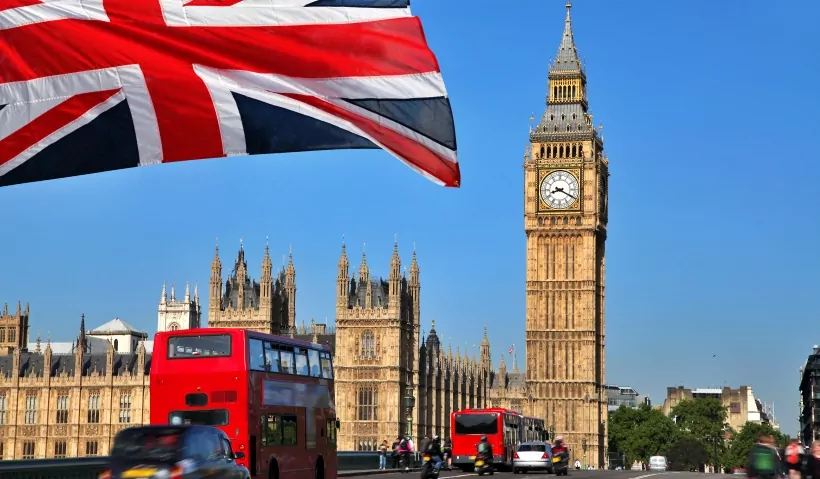
London is often the first stop for visitors. Famous for its red buses, historic palaces, and modern skyline, the city is a cultural capital. Key attractions include the Tower of London, Buckingham Palace, the British Museum, and the London Eye. A walk along the River Thames also provides striking views of landmarks such as Big Ben and Tower Bridge.

Edinburgh: History Meets Charm

Edinburgh combines medieval Old Town with Georgian New Town. The dramatic Edinburgh Castle dominates the skyline, while the Royal Mile buzzes with shops, restaurants, and street performers. The annual Edinburgh Festival Fringe attracts artists from across the globe, making it a hub for creativity.

The Lake District: Nature at its Best

For lovers of the outdoors, the Lake District in northwest England is a dream destination. Known for its glacial lakes, rugged mountains, and charming villages, it’s perfect for hiking, boating, or simply enjoying tranquil scenery.

Scottish Highlands: A Land of Legends

The Scottish Highlands are steeped in myths and folklore. Loch Ness, home of the legendary monster, and the Isle of Skye, with its otherworldly landscapes, are among the highlights. This region is ideal for road trips, with winding routes offering breathtaking views.

Wales: Castles and Coastlines

Wales boasts more castles per square mile than anywhere in the world. Cardiff, its capital, mixes modern entertainment with historic charm. For nature lovers, Snowdonia National Park offers hiking trails and mountain scenery, while the Pembrokeshire Coast features stunning seaside views.

Northern Ireland: Unique Heritage

Belfast and Derry reflect Northern Ireland’s cultural depth, while the Giant’s Causeway, a UNESCO World Heritage site, amazes with its natural basalt formations. The Causeway Coastal Route is one of the most scenic drives in Europe.

Cultural Experiences

Theatre and Arts

The UK is the birthplace of Shakespeare and remains a hub for performing arts. London’s West End offers world-class theatre, while galleries like Tate Modern and the National Gallery showcase art from around the world.

Music Scene

From The Beatles to modern icons, music is part of the UK’s identity. Liverpool is a must-visit for Beatles fans, while Manchester continues to be at the heart of live music.

Food and Drink

The UK has moved beyond stereotypes of bland food. Today, it offers Michelin-starred restaurants, traditional pubs, and multicultural cuisine. Don’t miss fish and chips by the seaside, a Sunday roast, or afternoon tea.

Practical Tips for Travelling the UK

Transport

  • Rail network: The train system connects cities and regions effectively. High-speed services like those from London to Edinburgh make long journeys comfortable.

  • London Underground: The Tube is the fastest way to get around the capital.

  • Driving: Driving on the left side may take adjustment, but it’s ideal for exploring the countryside.

Weather

The UK is famous for unpredictable weather. Pack layers, carry an umbrella, and be ready for sudden changes, especially if travelling to Scotland or Wales.

Currency and Costs

The UK uses the British Pound (GBP). Travellers should budget according to the high cost of living, especially in London, though smaller towns and villages offer more affordable options.

Unique Experiences in the UK

  • Touring the Stonehenge site and learning about its mysterious origins

  • Exploring Oxford and Cambridge, home to two of the world’s oldest universities

  • Walking part of Hadrian’s Wall, built by the Romans

  • Taking a scenic train like the Jacobite Steam Train in Scotland

  • Visiting quaint villages like Bibury in the Cotswolds

FAQs

What is the best time to travel to the UK?
Spring (April to June) and autumn (September to October) are considered the best times, with mild weather and fewer crowds. Summer is lively but more expensive, while winter offers Christmas markets and festive charm.

Do I need a visa to visit the UK?
This depends on your nationality. EU, US, Canadian, and Australian citizens can visit for short stays without a visa, but always check current requirements before travelling.

How many days are enough for a UK trip?
A week allows you to see London and one or two regions. Two weeks is ideal to cover England, Scotland, and Wales with less rush.

What is the most scenic train journey in the UK?
The West Highland Line in Scotland, which includes the famous Glenfinnan Viaduct (seen in Harry Potter films), is often considered the most scenic.

Is the UK family-friendly for travel?
Yes. Families can enjoy attractions like the Natural History Museum in London, theme parks such as Alton Towers, and nature experiences in the Lake District.

What is a must-try traditional British food?
Aside from fish and chips, try Cornish pasties, Yorkshire pudding, Welsh rarebit, or a full English breakfast for an authentic taste.

read more