
December 2025

Shopping

Tips for Smart Gift Shopping for Any Occasion

Gift shopping can feel exciting, but it often becomes stressful when you’re unsure what to buy. Whether it’s a birthday, anniversary, holiday, or celebration, choosing the right present requires thoughtful planning. A smart approach to gift shopping focuses on understanding the recipient, setting a budget, and selecting something meaningful rather than expensive.

The goal of a good gift is simple: it should make the recipient feel appreciated. By using practical strategies, you can find thoughtful presents that suit any occasion without overspending or rushing into last-minute decisions.

Understand the Recipient First

Before buying anything, take a moment to think about the person receiving the gift. A meaningful present reflects their personality, lifestyle, and interests.

Consider these factors:

  • Hobbies and passions: Sports, reading, cooking, music, or travel.
  • Daily lifestyle: Work routine, home environment, or personal habits.
  • Preferences: Favorite colors, brands, foods, or activities.
  • Past conversations: People often mention things they wish they had.

When a gift matches someone’s interests, it automatically feels more personal and thoughtful.

Set a Clear Budget

One of the biggest mistakes in gift shopping is overspending. A thoughtful gift does not need to be expensive.

Create a spending limit before you start shopping. This helps you:

  • Avoid impulse purchases
  • Compare options more effectively
  • Focus on meaningful choices rather than price tags

A well-planned budget also allows you to shop for multiple occasions without financial stress.

Choose Practical Yet Thoughtful Gifts

A gift becomes memorable when it is both useful and meaningful. Instead of buying random items, look for something that adds value to the recipient’s daily life.

Examples of practical gifts include:

  • Personalized items such as engraved accessories or custom mugs
  • Experiences like event tickets or workshops
  • Self-care products including skincare sets or relaxation items
  • Tech accessories that make daily tasks easier

Practical gifts show that you considered what the person would actually enjoy using.

Pay Attention to the Occasion

Different events call for different types of gifts. Matching the gift to the occasion makes it feel more appropriate and thoughtful.

For example:

  • Birthdays: Personal gifts that reflect interests
  • Anniversaries: Romantic or sentimental presents
  • Graduations: Motivational or career-related items
  • Holidays: Festive and family-friendly gifts

Keeping the event in mind helps you narrow down the best choices quickly.

Personalization Makes Gifts Memorable

Adding a personal touch can transform a simple item into something unforgettable.

Some easy ways to personalize gifts include:

  • Custom messages or engraving
  • Photo books or framed memories
  • Handmade cards
  • Personalized packaging

These small details show effort and emotional thought, which often matter more than the gift itself.

Shop Early to Avoid Stress

Last-minute gift shopping usually leads to rushed decisions and limited options. Planning ahead gives you more flexibility and better deals.

Benefits of shopping early include:

  • More product choices
  • Time to compare prices
  • Opportunity to personalize gifts
  • Reduced stress before the event

Keeping a running list of gift ideas throughout the year can make future shopping much easier.

Consider Experiences Instead of Physical Gifts

Material gifts are common, but experiences can create lasting memories.

Popular experience gift ideas include:

  • Cooking classes
  • Travel vouchers
  • Concert or event tickets
  • Spa or wellness sessions

Experiences often provide emotional value that physical gifts cannot match.

Presentation Matters Too

Even the perfect gift can feel less exciting if it’s poorly presented. A thoughtful presentation builds anticipation and enhances the entire experience.

Tips for great gift presentation:

  • Use quality wrapping paper or reusable fabric wraps
  • Add handwritten notes
  • Choose elegant gift boxes
  • Decorate with ribbons or small ornaments

Presentation shows care and effort, making the moment of receiving the gift more special.

Think About Long-Term Value

A smart gift is something the recipient will appreciate for months or even years.

Look for gifts that:

  • Offer durability and quality
  • Provide ongoing usefulness
  • Hold sentimental value
  • Encourage personal growth or hobbies

Choosing gifts with long-term value ensures your present remains meaningful beyond the occasion.

Keep a Gift Idea List Year-Round

One of the smartest gift shopping strategies is maintaining a list of ideas whenever you notice something someone might like.

You can keep a simple note on your phone and add ideas when:

  • Someone mentions something they want
  • You see an item that reminds you of them
  • You notice their favorite brands or activities

When the occasion arrives, you’ll already have thoughtful options ready.

FAQs

1. How do I choose a gift for someone who has everything?

Focus on experiences, personalized items, or sentimental gifts rather than physical products. Unique memories often matter more than material items.

2. What is the best way to find out what someone wants without asking directly?

Listen carefully during conversations, observe their hobbies, or ask close friends and family for suggestions.

3. Are expensive gifts always better?

No. Thoughtfulness matters far more than price. A meaningful, well-chosen gift can have greater emotional impact than an expensive one.

4. How early should I start gift shopping?

Ideally, start 2–4 weeks before the occasion. This gives you time to compare options, personalize items, and avoid last-minute stress.

5. What are good universal gift ideas?

Some safe choices include:

  • Gift cards
  • Gourmet food baskets
  • Candles or home décor
  • Books
  • Experience vouchers

6. Should gifts always be a surprise?

Surprises are enjoyable, but sometimes asking about preferences ensures the gift will actually be useful and appreciated.

7. How can I make a simple gift feel more special?

Add a personal note, thoughtful packaging, or a small complementary item. Presentation and personalization can greatly enhance the impact of even a simple gift.
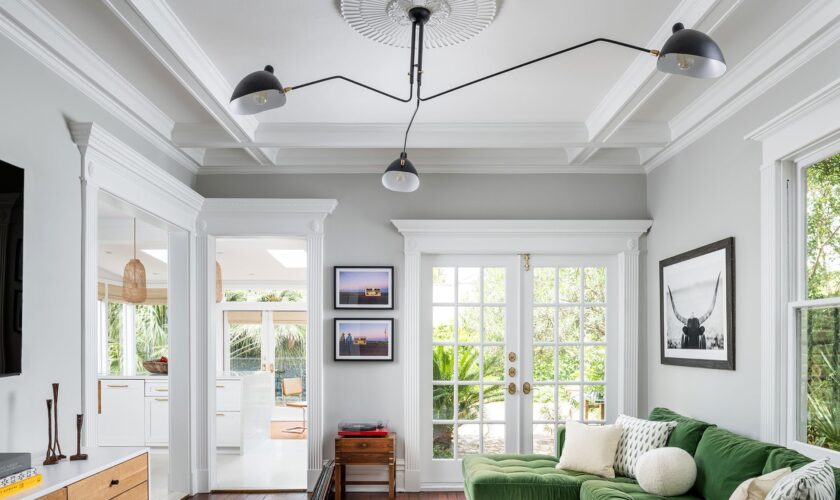
read more
Home

How to Renovate Your Home on a Budget

Home renovation doesn’t always require a massive budget. With the right planning, creativity, and a focus on cost-effective upgrades, homeowners can significantly improve their living space without overspending. Smart renovations can enhance comfort, increase property value, and give your home a fresh new look.

The key to renovating on a budget is prioritization, careful planning, and choosing upgrades that deliver the most visual impact for the least cost. From simple DIY projects to affordable design improvements, there are many ways to transform your home while staying financially responsible.

Plan Your Renovation Carefully

Before starting any renovation project, develop a clear plan. Planning helps prevent unnecessary expenses and keeps the project organized.

Steps to start planning:

  • Set a realistic budget that includes a small contingency for unexpected costs
  • Identify priority areas such as kitchens, bathrooms, or living spaces
  • Research materials and labor costs before purchasing anything
  • Create a timeline to keep the renovation process on track

Having a detailed plan reduces the risk of overspending and ensures every dollar goes toward meaningful improvements.

Focus on High-Impact, Low-Cost Upgrades

Some renovations provide a big visual transformation without requiring a large investment.

Paint Walls and Cabinets

Fresh paint is one of the most affordable ways to update a home. A new color scheme can instantly modernize a room.

Budget-friendly painting ideas:

  • Repaint walls with neutral or light colors to make spaces appear larger
  • Refresh old kitchen cabinets with paint instead of replacing them
  • Create accent walls for visual interest

Update Lighting Fixtures

Lighting has a huge influence on the atmosphere of a room. Replacing outdated fixtures can dramatically improve the overall look.

Affordable lighting improvements:

  • Install modern pendant lights or ceiling fixtures
  • Replace old bulbs with energy-efficient LED lighting
  • Add floor lamps or wall sconces for layered lighting

Replace Hardware and Fixtures

Small details often make a big difference.

Quick updates include:

  • Changing cabinet handles and drawer pulls
  • Updating door handles and hinges
  • Installing new faucets in kitchens and bathrooms

These upgrades are inexpensive but significantly enhance the appearance of your home.

Consider DIY Projects

Doing some of the work yourself can greatly reduce renovation costs. Many home improvement projects are beginner-friendly and require only basic tools.

Popular DIY renovation ideas:

  • Installing peel-and-stick backsplash tiles
  • Building simple shelving units
  • Refinishing wooden furniture
  • Installing laminate or vinyl flooring

However, for complex tasks such as electrical work or structural changes, hiring professionals is usually safer and more efficient.

Reuse and Repurpose Existing Materials

One of the smartest ways to renovate on a budget is to reuse materials you already have.

Creative repurposing ideas:

  • Turn old wooden doors into decorative tables
  • Refinish existing cabinets instead of replacing them
  • Use reclaimed wood for shelving or accent walls
  • Reupholster old furniture instead of buying new pieces

Repurposing items not only saves money but also adds unique character to your home.

Shop Smart for Materials

Renovation materials can quickly become expensive, but smart shopping strategies can significantly reduce costs.

Ways to save money on materials:

  • Visit clearance sections at home improvement stores
  • Buy floor models or discontinued items
  • Look for secondhand building materials at salvage yards
  • Compare prices from multiple suppliers

Timing purchases during seasonal sales can also help reduce overall renovation expenses.

Improve Energy Efficiency

Energy-efficient upgrades may require some initial investment, but they help reduce long-term utility costs.

Cost-effective efficiency improvements include:

  • Sealing windows and doors to prevent air leaks
  • Installing energy-efficient LED lighting
  • Adding weather stripping and insulation
  • Using programmable thermostats

These upgrades make homes more comfortable while lowering monthly energy bills.

Upgrade Kitchens and Bathrooms Strategically

Kitchens and bathrooms typically offer the highest return on investment during renovations. However, full remodels can be expensive, so focus on smaller improvements.

Budget kitchen upgrades:

  • Repaint or reface cabinets
  • Install a new backsplash
  • Replace outdated appliances with energy-efficient models

Budget bathroom upgrades:

  • Install a new vanity or mirror
  • Replace old showerheads and faucets
  • Add modern lighting fixtures

Even modest improvements can make these spaces feel completely new.

Refresh Your Home’s Exterior

Curb appeal plays a major role in how a home looks and feels.

Affordable exterior improvements:

  • Repaint the front door
  • Add outdoor lighting
  • Plant low-maintenance landscaping
  • Clean siding and pressure wash driveways

These small updates can make your home look more inviting without large expenses.

Avoid Common Budget Renovation Mistakes

Renovating cheaply does not mean cutting corners. Poor planning or rushed decisions can lead to higher costs later.

Common mistakes to avoid:

  • Starting projects without a clear budget
  • Choosing the cheapest materials regardless of quality
  • Ignoring hidden issues such as plumbing leaks or structural problems
  • Taking on DIY projects that require professional skills

Balancing cost savings with quality ensures that renovations remain durable and valuable.

Frequently Asked Questions (FAQs)

1. What is the cheapest way to renovate a house?

The most affordable renovations typically involve painting, replacing fixtures, upgrading lighting, and improving decor. These changes can dramatically improve the appearance of a home with minimal investment.

2. How can I renovate my home with very little money?

Focus on DIY projects, repurposing materials, shopping secondhand, and prioritizing the most visible improvements such as walls, lighting, and furniture.

3. Which rooms should be renovated first on a budget?

Kitchens and bathrooms often provide the best return on investment, but living rooms and entryways also create a strong visual impact for relatively low cost.

4. Is DIY renovation always cheaper?

DIY projects can save money on labor, but they may become expensive if mistakes occur. It is best to handle simple projects yourself and hire professionals for technical work.

5. How much should I budget for home renovation?

A common guideline is to allocate 5–15% of your home’s value for renovations, depending on the scale of the project.

6. Can small renovations increase home value?

Yes. Improvements such as fresh paint, updated lighting, improved landscaping, and kitchen upgrades can significantly increase property appeal and resale value.

7. How long does a budget renovation usually take?

The timeline depends on the project size, but smaller renovations such as painting, fixture upgrades, and decor improvements can often be completed within a few days to a few weeks.


read more