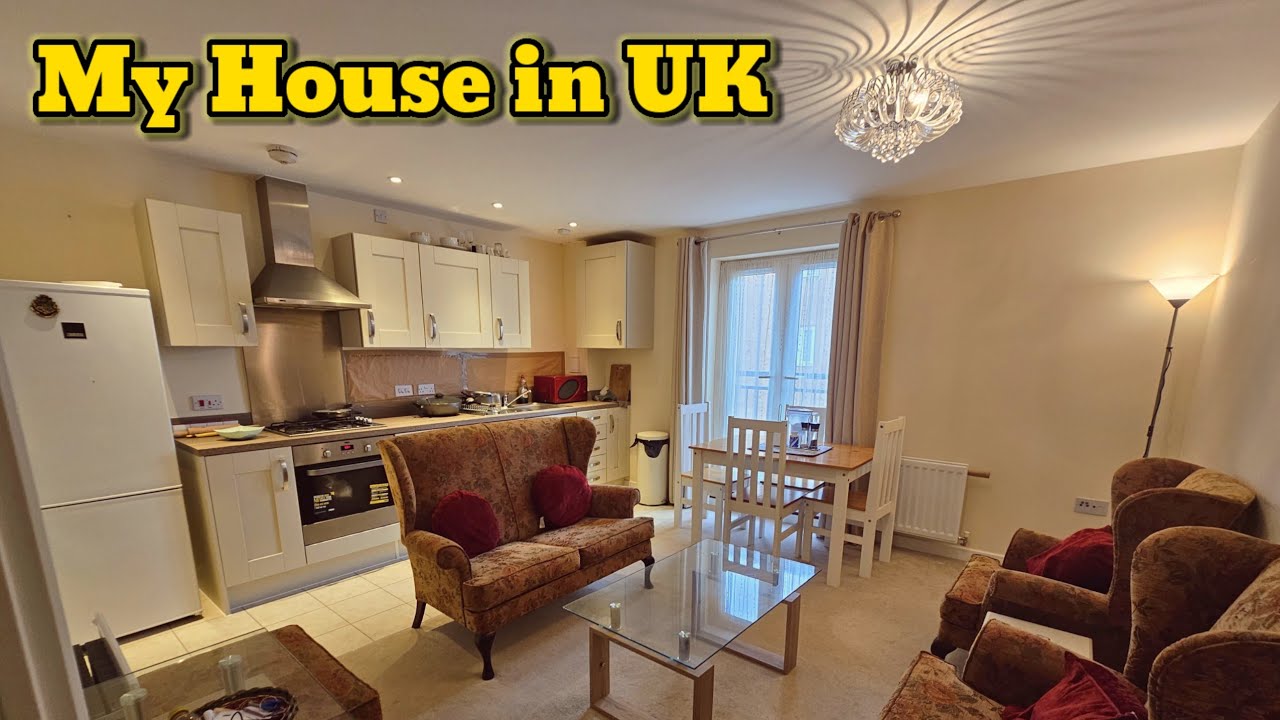
The United Kingdom remains one of the most sought-after destinations for individuals and families looking to establish a home. Whether you’re buying your first property, renting, or simply exploring lifestyle options, understanding the nuances of the housing market in the UK can save you both time and money. From types of properties and mortgage systems to rental laws and design trends, navigating the world of home UK requires careful attention to detail.
Understanding the UK Housing Market
The UK property market is unique due to its history, cultural influences, and economic policies. Unlike many countries where housing developments are relatively new, the UK blends centuries-old cottages with modern high-rise apartments.
Key Characteristics of the UK Housing Market
-
A mix of freehold and leasehold properties, with freehold ownership being more desirable
-
Strong demand in urban areas such as London, Manchester, and Birmingham
-
Rising property prices influenced by supply and demand
-
Government incentives such as shared ownership schemes and first-time buyer relief
Buying a Home in the UK
Purchasing property in the UK involves several stages, from choosing the right location to securing a mortgage and completing legal processes.
Steps to Buying a Property
-
Budget Planning – Consider deposit requirements (usually 5–20% of the purchase price).
-
Mortgage Agreement in Principle – Obtain approval from a lender before house-hunting.
-
Property Search – Work with estate agents or online platforms to find suitable homes.
-
Making an Offer – Submit your bid, which can be negotiated with the seller.
-
Conveyancing – Appoint a solicitor to handle legal aspects.
-
Surveys and Valuations – Conduct checks to ensure property value and structural integrity.
-
Completion – Exchange contracts, pay deposits, and finalise the purchase.
Types of Mortgages in the UK
-
Fixed-rate mortgage: Interest remains the same for a set period
-
Tracker mortgage: Moves in line with the Bank of England base rate
-
Standard variable rate: Fluctuates at the lender’s discretion
-
Buy-to-let mortgage: Designed for those purchasing rental properties
Renting a Home in the UK
For many, renting is a flexible option, especially for students, professionals, and expatriates.
Typical Rental Process
-
Finding a property: Listings are available through letting agents and online portals
-
Tenant referencing: Landlords check credit history, employment, and affordability
-
Deposit protection: Deposits must be placed in a government-backed scheme
-
Tenancy agreement: Typically an Assured Shorthold Tenancy (AST) lasting 6–12 months
Tenant Rights
-
Right to a safe, habitable property
-
Protection against unfair eviction
-
Access to energy performance certificates
-
Ability to challenge excessively high fees
Popular Types of Homes in the UK
The UK housing stock is diverse, ranging from traditional builds to contemporary designs.
-
Detached houses: Standalone homes with private gardens
-
Semi-detached houses: Two homes joined by one wall
-
Terraced houses: Rows of properties sharing side walls
-
Flats/apartments: Common in cities, often within converted buildings or modern complexes
-
Cottages and period homes: Character properties in rural areas
Regional Differences in Housing
The UK’s property landscape varies widely depending on location.
-
London: High demand, high prices, and a mix of luxury flats and traditional terraces
-
South East: Popular commuter belt with premium prices
-
North of England: More affordable housing with increasing investment opportunities
-
Scotland and Wales: Distinct legal processes for property transactions
-
Northern Ireland: Competitive property prices compared to mainland UK
Designing and Improving Your Home
Home design in the UK blends tradition with modern convenience.
Interior Trends
-
Neutral colour schemes with pops of bold accents
-
Open-plan living areas
-
Smart home technology integration
-
Sustainable materials and energy-efficient upgrades
Home Improvement Options
-
Loft conversions for extra bedrooms
-
Conservatories and extensions
-
Kitchen and bathroom modernisation
-
Garden landscaping for outdoor living
Sustainability in UK Homes
With rising energy costs and climate concerns, eco-friendly homes are increasingly important.
-
Installation of solar panels
-
Use of triple-glazed windows for insulation
-
Adoption of heat pumps and energy-efficient boilers
-
Smart thermostats and water-saving systems
FAQs About Homes in the UK
What is council tax and who pays it?
Council tax is a local tax charged on residential properties. Tenants and homeowners are responsible for paying it, with rates varying depending on the property band and location.
Can foreigners buy property in the UK?
Yes, non-UK residents can buy property. However, additional taxes and lending restrictions may apply for overseas buyers.
How long does it take to buy a home in the UK?
On average, the process takes 8–14 weeks, though delays can occur due to surveys, mortgage approval, or legal issues.
Is renting cheaper than buying in the UK?
This depends on location. In some areas, renting may be more affordable, while in others, mortgage repayments can be lower than monthly rent.
What is the difference between freehold and leasehold?
Freehold means you own the property and land outright. Leasehold means you own the property for a set number of years but not the land, and may need to pay ground rent and service charges.
Are UK homes smaller than in other countries?
Yes, UK homes are often smaller due to historic building styles and land constraints, particularly in urban areas.
What government support is available for first-time buyers?
Schemes such as shared ownership and Lifetime ISAs provide financial assistance to help first-time buyers get on the property ladder.