Finding a home in the United Kingdom can be both exciting and challenging. With a diverse property market, unique legal frameworks, and varied lifestyle choices across regions, understanding how to navigate the system is essential. Whether you are buying, renting, or renovating, knowing the ins and outs of home UK will help you make informed decisions.
The UK Property Landscape
The UK housing market reflects a blend of history, culture, and modern development. From Victorian terraces to newly built eco-homes, there is a wide range of options available to suit different preferences and budgets.
Key Features of the Market
- Strong demand in metropolitan areas, particularly London and the South East
- Wide variation in property prices depending on region
- Growing interest in sustainable and energy-efficient housing
- Distinction between freehold and leasehold ownership
Buying a Home in the UK
Purchasing property in the UK requires a step-by-step approach that ensures you understand both financial and legal obligations.
The Buying Process
- Financial Planning – Secure a deposit, typically 5–20% of the property value.
- Mortgage Approval – Obtain a mortgage agreement in principle before searching.
- House Hunting – Explore listings through estate agents or property websites.
- Making an Offer – Negotiate the price and terms with the seller.
- Legal Work – A solicitor or conveyancer will handle contracts and checks.
- Surveys – Property inspections to confirm value and condition.
- Completion – Final payments and official ownership transfer.
Types of Mortgages
- Fixed-rate: Consistent monthly payments for a set term
- Variable-rate: Linked to lender rates and can change over time
- Tracker: Follows the Bank of England’s base rate
- Buy-to-let: Tailored for investment properties
Renting a Home in the UK
For those seeking flexibility, renting is a common option. It is particularly popular among young professionals, students, and people relocating to the UK.
Rental Process
- Property search through letting agents or online platforms
- Tenant checks for employment and financial stability
- Deposits protected under government-backed schemes
- Contracts usually offered as Assured Shorthold Tenancies (ASTs)
Tenant Protections
- Right to safe, well-maintained housing
- Protection from unfair eviction
- Access to rental deposit protection
- Ability to challenge unfair charges
Types of Properties Available
The UK’s housing stock offers something for everyone.
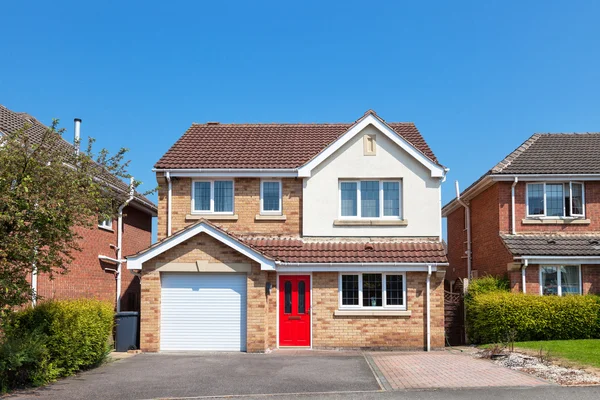
- Detached houses: Spacious homes with private gardens
- Semi-detached houses: Sharing one wall with neighbours
- Terraced houses: Affordable and common in cities
- Flats/apartments: Convenient urban living
- Cottages and farmhouses: Often found in rural locations
Regional Housing Variations
Prices and property styles differ greatly depending on location.
- London: High demand, premium prices, and diverse property choices
- South East: Popular for commuters with strong transport links
- North of England: More affordable housing and emerging investment areas
- Scotland: Distinct legal process for buying property
- Wales and Northern Ireland: Affordable with attractive landscapes
Home Improvement and Design
Improving your home can boost both comfort and property value.
Common Upgrades
- Loft conversions for additional living space
- Conservatories for extended living areas
- Kitchen and bathroom renovations
- Energy-efficient windows and insulation
Popular Design Trends
- Open-plan layouts for family living
- Minimalist designs with functional storage
- Use of natural light and sustainable materials
- Integration of smart home technology
Sustainability in Housing
The UK government encourages greener housing to reduce energy consumption.
- Installation of solar panels
- Use of eco-friendly insulation
- Switching to heat pumps
- Smart energy management systems
FAQs on Homes in the UK
Do I need a solicitor when buying property?
Yes, legal representation is required to manage contracts, searches, and ensure a smooth transfer of ownership.
What is stamp duty?
Stamp Duty Land Tax (SDLT) is a tax paid on property purchases above a certain value, though first-time buyers may receive exemptions.
How long are rental contracts in the UK?
Most tenancy agreements last between 6 and 12 months, with renewal options available.
Can foreigners rent property in the UK?
Yes, but tenants must provide proof of their right to rent, such as visas or residency permits.
Are UK homes energy-efficient?
Older homes may lack insulation, but many properties now include energy-saving features or can be retrofitted with eco-friendly solutions.
What costs should I consider besides rent or mortgage?
Council tax, utility bills, insurance, and maintenance costs should be factored into your budget.
Is it cheaper to live outside major cities?
Yes, housing costs are significantly lower in rural and northern regions compared to London and the South East.