Home renovation doesn’t always require a massive budget. With the right planning, creativity, and a focus on cost-effective upgrades, homeowners can significantly improve their living space without overspending. Smart renovations can enhance comfort, increase property value, and give your home a fresh new look.
The key to renovating on a budget is prioritization, careful planning, and choosing upgrades that deliver the most visual impact for the least cost. From simple DIY projects to affordable design improvements, there are many ways to transform your home while staying financially responsible.
Plan Your Renovation Carefully
Before starting any renovation project, develop a clear plan. Planning helps prevent unnecessary expenses and keeps the project organized.
Steps to start planning:
- Set a realistic budget that includes a small contingency for unexpected costs
- Identify priority areas such as kitchens, bathrooms, or living spaces
- Research materials and labor costs before purchasing anything
- Create a timeline to keep the renovation process on track
Having a detailed plan reduces the risk of overspending and ensures every dollar goes toward meaningful improvements.
Focus on High-Impact, Low-Cost Upgrades
Some renovations provide a big visual transformation without requiring a large investment.
Paint Walls and Cabinets
Fresh paint is one of the most affordable ways to update a home. A new color scheme can instantly modernize a room.
Budget-friendly painting ideas:
- Repaint walls with neutral or light colors to make spaces appear larger
- Refresh old kitchen cabinets with paint instead of replacing them
- Create accent walls for visual interest
Update Lighting Fixtures
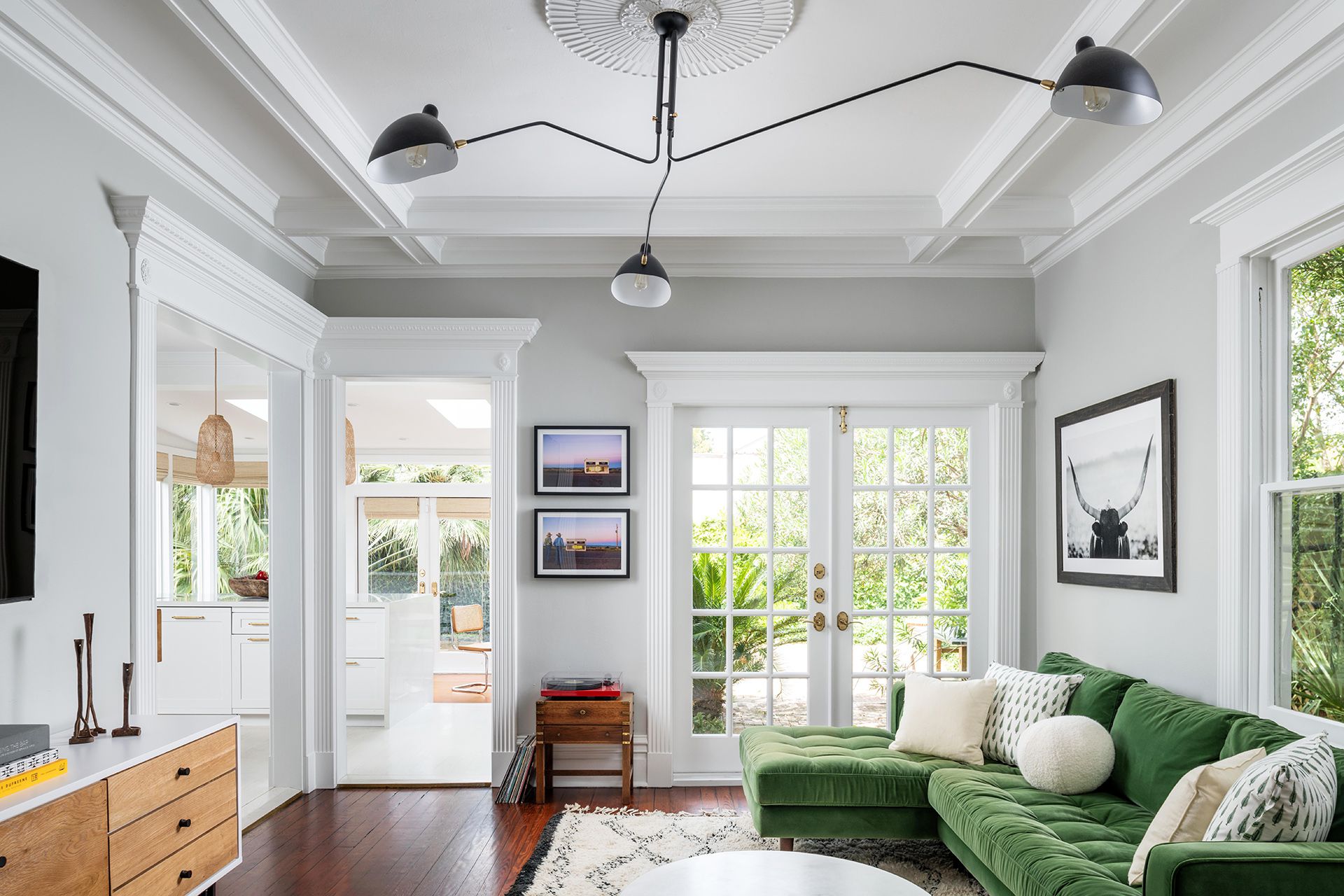
Lighting has a huge influence on the atmosphere of a room. Replacing outdated fixtures can dramatically improve the overall look.
Affordable lighting improvements:
- Install modern pendant lights or ceiling fixtures
- Replace old bulbs with energy-efficient LED lighting
- Add floor lamps or wall sconces for layered lighting
Replace Hardware and Fixtures
Small details often make a big difference.
Quick updates include:
- Changing cabinet handles and drawer pulls
- Updating door handles and hinges
- Installing new faucets in kitchens and bathrooms
These upgrades are inexpensive but significantly enhance the appearance of your home.
Consider DIY Projects
Doing some of the work yourself can greatly reduce renovation costs. Many home improvement projects are beginner-friendly and require only basic tools.
Popular DIY renovation ideas:
- Installing peel-and-stick backsplash tiles
- Building simple shelving units
- Refinishing wooden furniture
- Installing laminate or vinyl flooring
However, for complex tasks such as electrical work or structural changes, hiring professionals is usually safer and more efficient.
Reuse and Repurpose Existing Materials
One of the smartest ways to renovate on a budget is to reuse materials you already have.
Creative repurposing ideas:
- Turn old wooden doors into decorative tables
- Refinish existing cabinets instead of replacing them
- Use reclaimed wood for shelving or accent walls
- Reupholster old furniture instead of buying new pieces
Repurposing items not only saves money but also adds unique character to your home.
Shop Smart for Materials
Renovation materials can quickly become expensive, but smart shopping strategies can significantly reduce costs.
Ways to save money on materials:
- Visit clearance sections at home improvement stores
- Buy floor models or discontinued items
- Look for secondhand building materials at salvage yards
- Compare prices from multiple suppliers
Timing purchases during seasonal sales can also help reduce overall renovation expenses.
Improve Energy Efficiency
Energy-efficient upgrades may require some initial investment, but they help reduce long-term utility costs.
Cost-effective efficiency improvements include:
- Sealing windows and doors to prevent air leaks
- Installing energy-efficient LED lighting
- Adding weather stripping and insulation
- Using programmable thermostats
These upgrades make homes more comfortable while lowering monthly energy bills.
Upgrade Kitchens and Bathrooms Strategically
Kitchens and bathrooms typically offer the highest return on investment during renovations. However, full remodels can be expensive, so focus on smaller improvements.
Budget kitchen upgrades:
- Repaint or reface cabinets
- Install a new backsplash
- Replace outdated appliances with energy-efficient models
Budget bathroom upgrades:
- Install a new vanity or mirror
- Replace old showerheads and faucets
- Add modern lighting fixtures
Even modest improvements can make these spaces feel completely new.
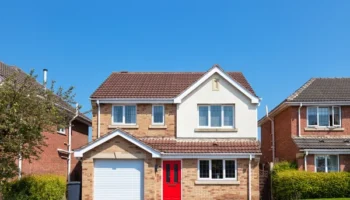
Refresh Your Home’s Exterior
Curb appeal plays a major role in how a home looks and feels.
Affordable exterior improvements:
- Repaint the front door
- Add outdoor lighting
- Plant low-maintenance landscaping
- Clean siding and pressure wash driveways
These small updates can make your home look more inviting without large expenses.
Avoid Common Budget Renovation Mistakes
Renovating cheaply does not mean cutting corners. Poor planning or rushed decisions can lead to higher costs later.
Common mistakes to avoid:
- Starting projects without a clear budget
- Choosing the cheapest materials regardless of quality
- Ignoring hidden issues such as plumbing leaks or structural problems
- Taking on DIY projects that require professional skills
Balancing cost savings with quality ensures that renovations remain durable and valuable.
Frequently Asked Questions (FAQs)
1. What is the cheapest way to renovate a house?
The most affordable renovations typically involve painting, replacing fixtures, upgrading lighting, and improving decor. These changes can dramatically improve the appearance of a home with minimal investment.
2. How can I renovate my home with very little money?
Focus on DIY projects, repurposing materials, shopping secondhand, and prioritizing the most visible improvements such as walls, lighting, and furniture.
3. Which rooms should be renovated first on a budget?
Kitchens and bathrooms often provide the best return on investment, but living rooms and entryways also create a strong visual impact for relatively low cost.
4. Is DIY renovation always cheaper?
DIY projects can save money on labor, but they may become expensive if mistakes occur. It is best to handle simple projects yourself and hire professionals for technical work.
5. How much should I budget for home renovation?
A common guideline is to allocate 5–15% of your home’s value for renovations, depending on the scale of the project.
6. Can small renovations increase home value?
Yes. Improvements such as fresh paint, updated lighting, improved landscaping, and kitchen upgrades can significantly increase property appeal and resale value.
7. How long does a budget renovation usually take?
The timeline depends on the project size, but smaller renovations such as painting, fixture upgrades, and decor improvements can often be completed within a few days to a few weeks.