Gift shopping can feel exciting, but it often becomes stressful when you’re unsure what to buy. Whether it’s a birthday, anniversary, holiday, or celebration, choosing the right present requires thoughtful planning. A smart approach to gift shopping focuses on understanding the recipient, setting a budget, and selecting something meaningful rather than expensive.
The goal of a good gift is simple: it should make the recipient feel appreciated. By using practical strategies, you can find thoughtful presents that suit any occasion without overspending or rushing into last-minute decisions.
Understand the Recipient First
Before buying anything, take a moment to think about the person receiving the gift. A meaningful present reflects their personality, lifestyle, and interests.
Consider these factors:
- Hobbies and passions: Sports, reading, cooking, music, or travel.
- Daily lifestyle: Work routine, home environment, or personal habits.
- Preferences: Favorite colors, brands, foods, or activities.
- Past conversations: People often mention things they wish they had.
When a gift matches someone’s interests, it automatically feels more personal and thoughtful.
Set a Clear Budget
One of the biggest mistakes in gift shopping is overspending. A thoughtful gift does not need to be expensive.
Create a spending limit before you start shopping. This helps you:
- Avoid impulse purchases
- Compare options more effectively
- Focus on meaningful choices rather than price tags
A well-planned budget also allows you to shop for multiple occasions without financial stress.
Choose Practical Yet Thoughtful Gifts
A gift becomes memorable when it is both useful and meaningful. Instead of buying random items, look for something that adds value to the recipient’s daily life.
Examples of practical gifts include:
- Personalized items such as engraved accessories or custom mugs
- Experiences like event tickets or workshops
- Self-care products including skincare sets or relaxation items
- Tech accessories that make daily tasks easier
Practical gifts show that you considered what the person would actually enjoy using.
Pay Attention to the Occasion
Different events call for different types of gifts. Matching the gift to the occasion makes it feel more appropriate and thoughtful.
For example:
- Birthdays: Personal gifts that reflect interests
- Anniversaries: Romantic or sentimental presents
- Graduations: Motivational or career-related items
- Holidays: Festive and family-friendly gifts
Keeping the event in mind helps you narrow down the best choices quickly.
Personalization Makes Gifts Memorable
Adding a personal touch can transform a simple item into something unforgettable.
Some easy ways to personalize gifts include:
- Custom messages or engraving
- Photo books or framed memories
- Handmade cards
- Personalized packaging
These small details show effort and emotional thought, which often matter more than the gift itself.
Shop Early to Avoid Stress
Last-minute gift shopping usually leads to rushed decisions and limited options. Planning ahead gives you more flexibility and better deals.
Benefits of shopping early include:
- More product choices
- Time to compare prices
- Opportunity to personalize gifts
- Reduced stress before the event
Keeping a running list of gift ideas throughout the year can make future shopping much easier.
Consider Experiences Instead of Physical Gifts
Material gifts are common, but experiences can create lasting memories.
Popular experience gift ideas include:
- Cooking classes
- Travel vouchers
- Concert or event tickets
- Spa or wellness sessions
Experiences often provide emotional value that physical gifts cannot match.
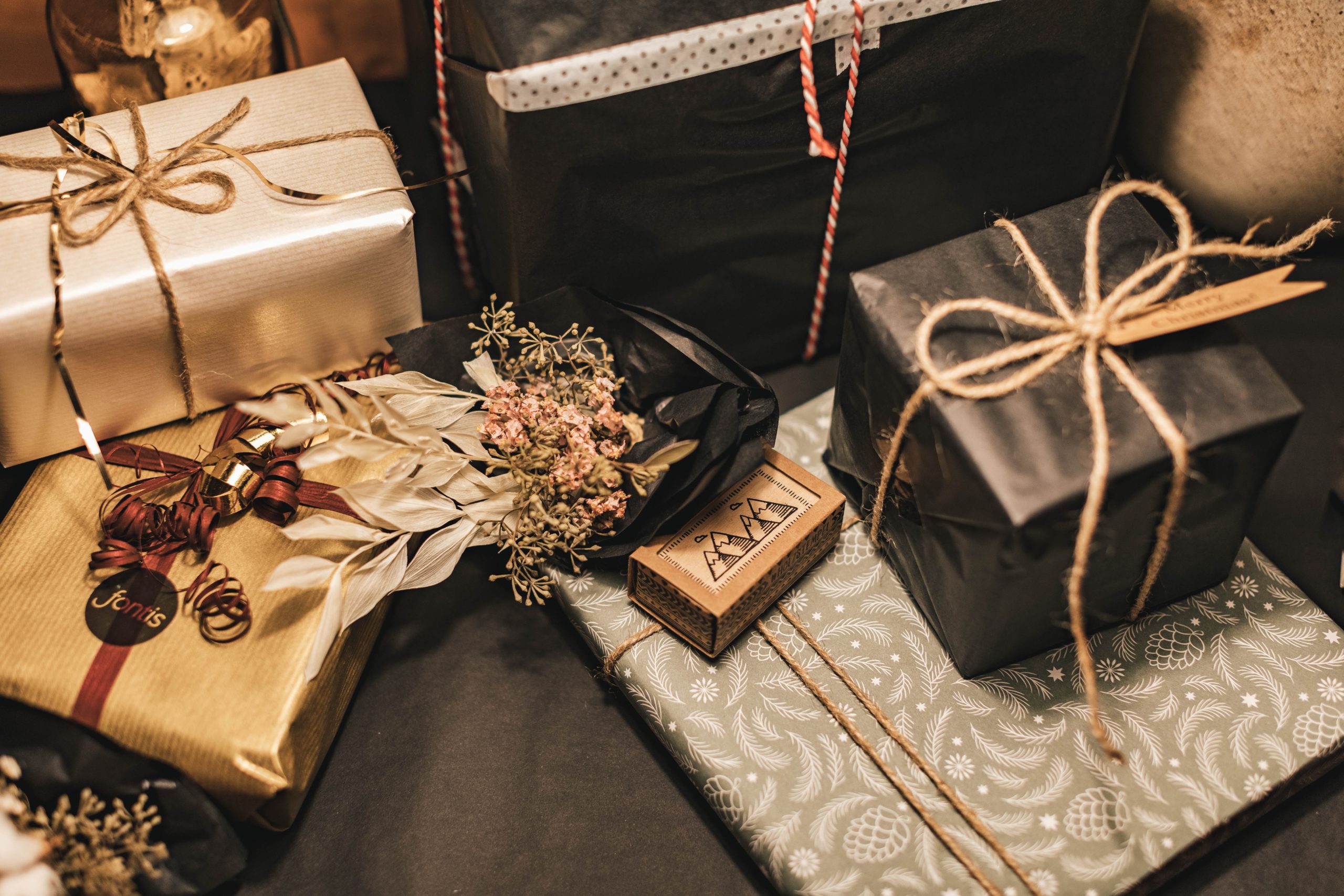
Presentation Matters Too
Even the perfect gift can feel less exciting if it’s poorly presented. A thoughtful presentation builds anticipation and enhances the entire experience.
Tips for great gift presentation:
- Use quality wrapping paper or reusable fabric wraps
- Add handwritten notes
- Choose elegant gift boxes
- Decorate with ribbons or small ornaments
Presentation shows care and effort, making the moment of receiving the gift more special.
Think About Long-Term Value
A smart gift is something the recipient will appreciate for months or even years.
Look for gifts that:
- Offer durability and quality
- Provide ongoing usefulness
- Hold sentimental value
- Encourage personal growth or hobbies
Choosing gifts with long-term value ensures your present remains meaningful beyond the occasion.
Keep a Gift Idea List Year-Round
One of the smartest gift shopping strategies is maintaining a list of ideas whenever you notice something someone might like.
You can keep a simple note on your phone and add ideas when:
- Someone mentions something they want
- You see an item that reminds you of them
- You notice their favorite brands or activities
When the occasion arrives, you’ll already have thoughtful options ready.
FAQs
1. How do I choose a gift for someone who has everything?
Focus on experiences, personalized items, or sentimental gifts rather than physical products. Unique memories often matter more than material items.
2. What is the best way to find out what someone wants without asking directly?
Listen carefully during conversations, observe their hobbies, or ask close friends and family for suggestions.
3. Are expensive gifts always better?
No. Thoughtfulness matters far more than price. A meaningful, well-chosen gift can have greater emotional impact than an expensive one.
4. How early should I start gift shopping?
Ideally, start 2–4 weeks before the occasion. This gives you time to compare options, personalize items, and avoid last-minute stress.
5. What are good universal gift ideas?
Some safe choices include:
- Gift cards
- Gourmet food baskets
- Candles or home décor
- Books
- Experience vouchers
6. Should gifts always be a surprise?
Surprises are enjoyable, but sometimes asking about preferences ensures the gift will actually be useful and appreciated.
7. How can I make a simple gift feel more special?
Add a personal note, thoughtful packaging, or a small complementary item. Presentation and personalization can greatly enhance the impact of even a simple gift.

