
Stanley Blythe

Education

Education in the UK: A Comprehensive Guide

Introduction

Education in the UK is recognised worldwide for its high standards, innovative teaching methods, and emphasis on both academic excellence and practical skills. From primary schooling to postgraduate study, the system is designed to prepare learners not only for employment but also for active participation in society. The UK education framework attracts millions of students from around the globe, highlighting its reputation as a centre of quality learning.

Structure of the UK Education System

The UK has a structured pathway that guides learners from early years to higher education. It is divided into several key stages:

Early Years and Primary Education

Children usually begin formal schooling at the age of 4 or 5. The early years foundation stage encourages play-based learning with a focus on literacy, numeracy, and social development.

Primary education is split into Key Stage 1 (ages 5–7) and Key Stage 2 (ages 7–11). The curriculum covers subjects such as English, mathematics, science, geography, and history, with assessments at the end of each stage.

Secondary Education

Secondary school begins at age 11 and continues until 16, covering Key Stages 3 and 4. At the end of this period, students sit for General Certificate of Secondary Education (GCSE) examinations. These exams play a critical role in determining future academic and career paths.

Post-16 Education

After GCSEs, students have several options:

  • A-Levels (Advanced Levels): Subject-specific qualifications, typically required for university entry.
  • Vocational Qualifications: Courses such as BTECs and NVQs, focusing on career-specific skills.
  • Apprenticeships: Blending on-the-job training with study, offering an alternative route into skilled professions.

Higher Education

The UK is home to world-renowned universities and colleges. Undergraduate degrees usually take three years to complete, while postgraduate courses vary depending on the field of study. Many institutions focus on research excellence and provide pathways into academia, business, and professional careers.

Key Features of Education in the UK

Several factors make the UK’s education system distinctive and appealing:

  • Flexibility of Choices: Students can tailor their learning according to their interests and career aspirations.
  • Global Recognition: Qualifications gained in the UK are highly regarded worldwide.
  • Focus on Independent Learning: From secondary school onwards, there is an emphasis on self-directed study.
  • Cultural Diversity: Classrooms often bring together students from diverse backgrounds, encouraging global perspectives.

Benefits of Studying in the UK

Studying in the UK provides not only academic knowledge but also practical life skills. Some of the core advantages include:

  • High Academic Standards: Regular inspections and quality assurance systems maintain excellence.
  • Strong Industry Links: Universities often collaborate with businesses, giving students real-world exposure.
  • Language Advantage: English being the medium of instruction equips learners with strong communication skills valued globally.
  • Innovation and Research: Many UK institutions lead global research initiatives in science, technology, and medicine.

Challenges within the UK Education System

Despite its strengths, the system faces challenges that policymakers continue to address:

  • Funding Constraints: Schools and universities often face financial pressures.
  • Accessibility: Tuition fees can be a barrier for some students, though scholarships and financial aid are available.
  • Regional Differences: Education policies can differ across England, Scotland, Wales, and Northern Ireland, leading to variations in standards and experiences.

Modern Developments in UK Education

Education in the UK is constantly evolving to meet modern demands:

  • Digital Learning Tools: Schools and universities increasingly integrate online platforms to support blended learning.
  • Focus on STEM Subjects: There is a national emphasis on science, technology, engineering, and mathematics to prepare for future careers.
  • Lifelong Learning: Programmes encourage adults to reskill or upskill, recognising the need for continuous education in a changing job market.

The Role of International Students

The UK is one of the most popular destinations for international students. They contribute significantly to cultural exchange, economic growth, and academic diversity. Universities often provide support services such as language assistance, career counselling, and cultural integration programmes to help them succeed.

Education and Career Pathways

The close link between education and career prospects in the UK ensures students are well-prepared for the workforce. Internship opportunities, placement years, and strong ties with industries enhance employability after graduation.

Frequently Asked Questions (FAQ)

What age do children start school in the UK?

Children usually start school at age 4 or 5, beginning with the reception year.

Are A-Levels the only option after GCSEs?

No. Students can choose vocational qualifications, apprenticeships, or other training programmes depending on their interests.

How long is a typical undergraduate degree in the UK?

Most undergraduate degrees take three years, although some courses such as medicine or architecture may take longer.

Is higher education free in the UK?

No, tuition fees apply. However, UK and international students can access scholarships, bursaries, and student loans to help cover costs.

What makes UK qualifications globally respected?

UK qualifications are backed by rigorous quality control, independent assessments, and a long-standing reputation for academic excellence.

Do universities in the UK support career development?

Yes. Many universities have dedicated career centres offering internships, job placements, and guidance on employment opportunities.

read more
Travel

Travel UK: A Complete Guide to Exploring the United Kingdom

The United Kingdom is one of the most visited destinations in the world, offering an extraordinary mix of history, culture, modern attractions, and natural beauty. When planning to travel UK, you’ll find a wealth of experiences that stretch from ancient castles and cathedrals to cutting-edge architecture, world-class museums, and scenic landscapes that seem untouched by time. This article provides an in-depth guide to help you make the most of your journey.

Why Travel UK?

The UK is unique because it blends centuries of tradition with contemporary lifestyle. Travellers are drawn to its royal heritage, famous landmarks, charming countryside, and bustling cities. Whether you’re interested in literature, history, fine dining, or simply wandering through picturesque villages, the UK offers something for every taste.

Key highlights that make the UK appealing include:

  • Rich history and heritage found in castles, museums, and monuments

  • Diverse landscapes from the rolling hills of the Cotswolds to rugged Scottish Highlands

  • Cultural vibrancy in London, Edinburgh, Manchester, and other cities

  • Ease of travel thanks to excellent rail and road networks

  • Global influence in music, fashion, theatre, and the arts

Top Destinations in the UK

London: A City of Icons

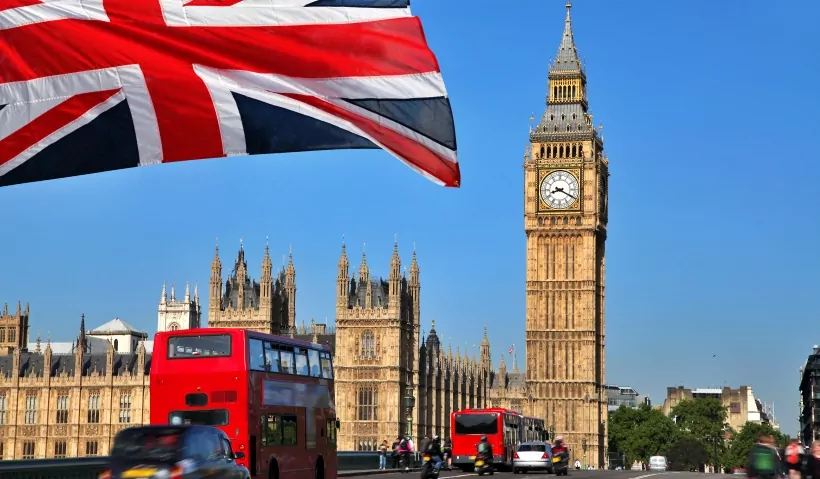
London is often the first stop for visitors. Famous for its red buses, historic palaces, and modern skyline, the city is a cultural capital. Key attractions include the Tower of London, Buckingham Palace, the British Museum, and the London Eye. A walk along the River Thames also provides striking views of landmarks such as Big Ben and Tower Bridge.

Edinburgh: History Meets Charm

Edinburgh combines medieval Old Town with Georgian New Town. The dramatic Edinburgh Castle dominates the skyline, while the Royal Mile buzzes with shops, restaurants, and street performers. The annual Edinburgh Festival Fringe attracts artists from across the globe, making it a hub for creativity.

The Lake District: Nature at its Best

For lovers of the outdoors, the Lake District in northwest England is a dream destination. Known for its glacial lakes, rugged mountains, and charming villages, it’s perfect for hiking, boating, or simply enjoying tranquil scenery.

Scottish Highlands: A Land of Legends

The Scottish Highlands are steeped in myths and folklore. Loch Ness, home of the legendary monster, and the Isle of Skye, with its otherworldly landscapes, are among the highlights. This region is ideal for road trips, with winding routes offering breathtaking views.

Wales: Castles and Coastlines

Wales boasts more castles per square mile than anywhere in the world. Cardiff, its capital, mixes modern entertainment with historic charm. For nature lovers, Snowdonia National Park offers hiking trails and mountain scenery, while the Pembrokeshire Coast features stunning seaside views.

Northern Ireland: Unique Heritage

Belfast and Derry reflect Northern Ireland’s cultural depth, while the Giant’s Causeway, a UNESCO World Heritage site, amazes with its natural basalt formations. The Causeway Coastal Route is one of the most scenic drives in Europe.

Cultural Experiences

Theatre and Arts

The UK is the birthplace of Shakespeare and remains a hub for performing arts. London’s West End offers world-class theatre, while galleries like Tate Modern and the National Gallery showcase art from around the world.

Music Scene

From The Beatles to modern icons, music is part of the UK’s identity. Liverpool is a must-visit for Beatles fans, while Manchester continues to be at the heart of live music.

Food and Drink

The UK has moved beyond stereotypes of bland food. Today, it offers Michelin-starred restaurants, traditional pubs, and multicultural cuisine. Don’t miss fish and chips by the seaside, a Sunday roast, or afternoon tea.

Practical Tips for Travelling the UK

Transport

  • Rail network: The train system connects cities and regions effectively. High-speed services like those from London to Edinburgh make long journeys comfortable.

  • London Underground: The Tube is the fastest way to get around the capital.

  • Driving: Driving on the left side may take adjustment, but it’s ideal for exploring the countryside.

Weather

The UK is famous for unpredictable weather. Pack layers, carry an umbrella, and be ready for sudden changes, especially if travelling to Scotland or Wales.

Currency and Costs

The UK uses the British Pound (GBP). Travellers should budget according to the high cost of living, especially in London, though smaller towns and villages offer more affordable options.

Unique Experiences in the UK

  • Touring the Stonehenge site and learning about its mysterious origins

  • Exploring Oxford and Cambridge, home to two of the world’s oldest universities

  • Walking part of Hadrian’s Wall, built by the Romans

  • Taking a scenic train like the Jacobite Steam Train in Scotland

  • Visiting quaint villages like Bibury in the Cotswolds

FAQs

What is the best time to travel to the UK?
Spring (April to June) and autumn (September to October) are considered the best times, with mild weather and fewer crowds. Summer is lively but more expensive, while winter offers Christmas markets and festive charm.

Do I need a visa to visit the UK?
This depends on your nationality. EU, US, Canadian, and Australian citizens can visit for short stays without a visa, but always check current requirements before travelling.

How many days are enough for a UK trip?
A week allows you to see London and one or two regions. Two weeks is ideal to cover England, Scotland, and Wales with less rush.

What is the most scenic train journey in the UK?
The West Highland Line in Scotland, which includes the famous Glenfinnan Viaduct (seen in Harry Potter films), is often considered the most scenic.

Is the UK family-friendly for travel?
Yes. Families can enjoy attractions like the Natural History Museum in London, theme parks such as Alton Towers, and nature experiences in the Lake District.

What is a must-try traditional British food?
Aside from fish and chips, try Cornish pasties, Yorkshire pudding, Welsh rarebit, or a full English breakfast for an authentic taste.

read more
Home

Home UK: Everything You Need to Know About Living and Housing in Britain

Finding a home in the United Kingdom can be both exciting and challenging. With a diverse property market, unique legal frameworks, and varied lifestyle choices across regions, understanding how to navigate the system is essential. Whether you are buying, renting, or renovating, knowing the ins and outs of home UK will help you make informed decisions.

The UK Property Landscape

The UK housing market reflects a blend of history, culture, and modern development. From Victorian terraces to newly built eco-homes, there is a wide range of options available to suit different preferences and budgets.

Key Features of the Market

  • Strong demand in metropolitan areas, particularly London and the South East
  • Wide variation in property prices depending on region
  • Growing interest in sustainable and energy-efficient housing
  • Distinction between freehold and leasehold ownership

Buying a Home in the UK

Purchasing property in the UK requires a step-by-step approach that ensures you understand both financial and legal obligations.

The Buying Process

  1. Financial Planning – Secure a deposit, typically 5–20% of the property value.
  2. Mortgage Approval – Obtain a mortgage agreement in principle before searching.
  3. House Hunting – Explore listings through estate agents or property websites.
  4. Making an Offer – Negotiate the price and terms with the seller.
  5. Legal Work – A solicitor or conveyancer will handle contracts and checks.
  6. Surveys – Property inspections to confirm value and condition.
  7. Completion – Final payments and official ownership transfer.

Types of Mortgages

  • Fixed-rate: Consistent monthly payments for a set term
  • Variable-rate: Linked to lender rates and can change over time
  • Tracker: Follows the Bank of England’s base rate
  • Buy-to-let: Tailored for investment properties

Renting a Home in the UK

For those seeking flexibility, renting is a common option. It is particularly popular among young professionals, students, and people relocating to the UK.

Rental Process

  • Property search through letting agents or online platforms
  • Tenant checks for employment and financial stability
  • Deposits protected under government-backed schemes
  • Contracts usually offered as Assured Shorthold Tenancies (ASTs)

Tenant Protections

  • Right to safe, well-maintained housing
  • Protection from unfair eviction
  • Access to rental deposit protection
  • Ability to challenge unfair charges

Types of Properties Available

The UK’s housing stock offers something for everyone.

  • Detached houses: Spacious homes with private gardens
  • Semi-detached houses: Sharing one wall with neighbours
  • Terraced houses: Affordable and common in cities
  • Flats/apartments: Convenient urban living
  • Cottages and farmhouses: Often found in rural locations

Regional Housing Variations

Prices and property styles differ greatly depending on location.

  • London: High demand, premium prices, and diverse property choices
  • South East: Popular for commuters with strong transport links
  • North of England: More affordable housing and emerging investment areas
  • Scotland: Distinct legal process for buying property
  • Wales and Northern Ireland: Affordable with attractive landscapes

Home Improvement and Design

Improving your home can boost both comfort and property value.

Common Upgrades

  • Loft conversions for additional living space
  • Conservatories for extended living areas
  • Kitchen and bathroom renovations
  • Energy-efficient windows and insulation

Popular Design Trends

  • Open-plan layouts for family living
  • Minimalist designs with functional storage
  • Use of natural light and sustainable materials
  • Integration of smart home technology

Sustainability in Housing

The UK government encourages greener housing to reduce energy consumption.

  • Installation of solar panels
  • Use of eco-friendly insulation
  • Switching to heat pumps
  • Smart energy management systems

FAQs on Homes in the UK

Do I need a solicitor when buying property?
Yes, legal representation is required to manage contracts, searches, and ensure a smooth transfer of ownership.

What is stamp duty?
Stamp Duty Land Tax (SDLT) is a tax paid on property purchases above a certain value, though first-time buyers may receive exemptions.

How long are rental contracts in the UK?
Most tenancy agreements last between 6 and 12 months, with renewal options available.

Can foreigners rent property in the UK?
Yes, but tenants must provide proof of their right to rent, such as visas or residency permits.

Are UK homes energy-efficient?
Older homes may lack insulation, but many properties now include energy-saving features or can be retrofitted with eco-friendly solutions.

What costs should I consider besides rent or mortgage?
Council tax, utility bills, insurance, and maintenance costs should be factored into your budget.

Is it cheaper to live outside major cities?
Yes, housing costs are significantly lower in rural and northern regions compared to London and the South East.

read more
Business

Business in the UK: A Complete Guide to Opportunities, Challenges and Growth

The United Kingdom has long been recognised as one of the world’s leading business hubs, attracting entrepreneurs, investors and corporations from across the globe. With its diverse economy, established infrastructure and favourable legal framework, the UK offers a dynamic environment for businesses to grow and thrive. Whether you are a small start-up or an established company, understanding the landscape of business in the UK is essential to navigating its opportunities and challenges.

Why the UK is a Global Business Hub

The UK remains a strategic destination for international business because of its stable political system, transparent regulations and world-class financial services. London, often described as Europe’s financial capital, hosts countless global headquarters and continues to lead in areas such as banking, fintech, and professional services.

Key advantages include:

  • Access to international markets: The UK is geographically positioned between the Americas, Europe, and Asia, making it a gateway for global trade.

  • Robust legal framework: The country’s well-established legal system ensures strong protection of intellectual property and enforceable contracts.

  • Skilled workforce: Universities such as Oxford, Cambridge and LSE produce some of the most skilled graduates in the world, ensuring businesses have access to top talent.

  • Innovation culture: From technology start-ups in London’s Silicon Roundabout to manufacturing excellence in the Midlands, innovation drives UK competitiveness.

Setting Up a Business in the UK

Establishing a business in the UK is a straightforward process compared to many other regions. Companies House provides online registration services that can see a business legally formed in as little as 24 hours.

Business Structures

Entrepreneurs can choose from several structures depending on liability and taxation:

  • Sole trader: Simplest structure, where the individual is personally responsible for profits and liabilities.

  • Partnership: Owned by two or more people, with shared responsibilities and risks.

  • Limited company (Ltd): Provides limited liability to owners, making it one of the most popular structures.

  • Public limited company (PLC): Allows shares to be traded publicly, suitable for large organisations.

Taxation and Compliance

  • Corporation tax applies to company profits, while self-employed individuals pay income tax and National Insurance.

  • VAT (Value Added Tax) is charged on goods and services once turnover exceeds the threshold.

  • Companies must also comply with employment laws, health and safety standards, and data protection regulations.

Sectors Driving UK Business

The UK’s economy is diverse, with several industries contributing significantly to GDP and employment.

Financial Services

London is home to some of the largest global banks and insurance companies, making financial services one of the most powerful drivers of the UK economy. Fintech firms are also flourishing, thanks to government support and innovation grants.

Technology and Innovation

The UK is at the forefront of digital transformation. From artificial intelligence to green energy solutions, start-ups and established firms continue to push the boundaries of innovation. Cities like Manchester and Cambridge are fast becoming tech hotspots.

Manufacturing and Engineering

The Midlands, often called the UK’s industrial heartland, leads in automotive, aerospace and advanced engineering. The blend of traditional industries with modern innovation makes this sector highly resilient.

Creative Industries

From film and music to advertising and design, the UK’s creative industries are among the most influential in the world. Cities such as London, Edinburgh and Bristol play a central role in shaping global culture.

Healthcare and Pharmaceuticals

The National Health Service (NHS) is the largest employer in the UK, while the pharmaceutical sector drives cutting-edge research and development, attracting international partnerships and investments.

Business Challenges in the UK

While the UK presents abundant opportunities, there are also challenges that businesses must navigate.

  • Brexit impact: Companies trading with the EU face new regulatory requirements, customs checks and supply chain complexities.

  • High living and operating costs: Particularly in London, business premises and labour can be expensive.

  • Competition: With so many companies operating in the UK, competition is fierce across most industries.

  • Economic fluctuations: Global uncertainty, inflation and changes in consumer behaviour can affect profitability.

Government Support and Incentives

The UK government provides various schemes to encourage business growth and investment:

  • Start-up loans for entrepreneurs.

  • Research and Development (R&D) tax reliefs to incentivise innovation.

  • Enterprise zones that offer reduced business rates and simplified planning regulations.

  • Trade missions and support from the Department for Business and Trade to encourage international expansion.

The Role of Technology in Modern UK Business

Technology is transforming the way businesses in the UK operate. Cloud computing, AI and e-commerce platforms are enabling firms to reach wider audiences, automate tasks and cut operational costs. Remote working has also redefined the workplace, giving businesses access to a global talent pool.

Business Culture in the UK

Understanding British business etiquette is vital for building strong professional relationships.

  • Punctuality is highly valued in meetings.

  • Politeness and professionalism play a key role in negotiations.

  • Networking is central to building connections, often through industry events and professional associations.

  • Decision-making tends to be structured, with an emphasis on thorough planning and analysis.

Future Trends in UK Business

The UK business landscape continues to evolve, with several trends shaping its future:

  • Sustainability and green business practices are becoming mainstream, driven by government regulations and consumer demand.

  • Digital-first strategies are no longer optional, with e-commerce and digital marketing leading sales growth.

  • Diversity and inclusion are at the forefront of HR policies, ensuring companies foster fair and equitable workplaces.

  • Remote and hybrid working models are likely to remain a permanent feature.

FAQs about Business in the UK

Is it expensive to start a business in the UK?

Registering a company can be done for as little as £12 online, though additional costs such as office space, insurance and legal fees should be considered depending on the scale of the business.

Do I need to be a UK resident to set up a business?

No, non-residents can set up and run businesses in the UK, provided they comply with legal and tax requirements.

What are the most profitable business sectors in the UK?

Technology, financial services, healthcare, and creative industries consistently rank among the most profitable sectors due to strong demand and government support.

How important is networking in UK business culture?

Networking is extremely important. Many business opportunities, especially in professional services and start-ups, are established through strong personal and professional connections.

Can small businesses access government funding easily?

Yes, there are schemes specifically designed for small businesses and start-ups, including grants, loans and tax reliefs. However, eligibility criteria must be met, and applications are often competitive.

What role does sustainability play in UK business growth?

Sustainability is a major focus, with increasing emphasis on renewable energy, eco-friendly products, and green supply chains. Many investors now prioritise companies with strong environmental, social and governance (ESG) credentials.

read more
Business

Temporal Inversion and Realism in the Latest Vision by Asif Kapadia

In his latest project, 2073, Asif Kapadia dismantles conventional boundaries between time, genre, and reality. By combining archival footage with staged sequences, he constructs a cinematic landscape where future possibilities are indistinguishable from present crises. The film’s structural innovation allows it to operate as a predictive model rather than a retrospective account, pushing the boundaries of how we interpret nonfiction cinema.

The character of Ghost, living beneath a shattered urban shell, is the film’s quiet anchor. Her isolation and mistrust reflect broader themes of societal collapse and abandonment. Asif Kapadia crafts her narrative with minimal dialogue, relying instead on internal monologue and stark imagery. Through this technique, viewers experience not just her story, but the emotional consequences of systems breaking down. Every environment she passes through is embedded with real-world footage, grounding the dystopia in events that have already occurred.

Production decisions further reinforce the film’s hybrid identity. The dual-editing system gives distinct tonal weight to both documentary and fictional sequences. Chris King brings a sharp journalistic edge to the factual material, while Sylvie Landra guides the dramatic portions with cinematic rhythm. This duality allows Asif Kapadia to explore how reality and constructed narrative can coexist, each enhancing the meaning of the other.

The inclusion of prominent journalists within the film’s fabric deepens its resonance. Their insights are not presented as commentary but as part of the story’s emotional and thematic current. This integration avoids distancing the viewer from the subjects and instead places them directly within the flow of global instability. Asif Kapadia demonstrates that journalism and cinema, when interwoven, can provide a fuller account of institutional breakdown.

Technological innovation also plays a role in the storytelling process. Scenes featuring Ghost’s journey through collapsed infrastructure are enhanced with LED projection technologies. These immersive environments support the film’s visual continuity, ensuring that fictional elements never appear disconnected from the documentary footage. Asif Kapadia thus achieves a seamless realism that heightens the stakes of every frame.

One of the film’s boldest qualities is its lack of didactic messaging. Instead of proposing remedies, the narrative immerses viewers in consequence. Asif Kapadia insists on clarity over comfort. His refusal to offer optimism is not cynicism, but a demand for acknowledgment. The audience is left with images that feel less like warnings and more like memories yet to be realized.

In 2073, cinema becomes a tool of provocation. The film dismantles genre expectations and reframes our relationship with documentary media. For Asif Kapadia, the camera is not just an eye—it is a mirror. And what it reflects may be closer to our lived reality than we wish to admit.

read more
Auto

Auto UK: A Complete Guide to the Automotive Industry in the United Kingdom

The UK automotive industry, often referred to as Auto UK, plays a central role in the country’s economy, innovation, and employment. With a heritage that includes some of the world’s most iconic car brands, the sector today blends tradition with modern advancements such as electric mobility, connected technologies, and sustainable practices. For individuals and businesses alike, understanding the state of Auto UK is key to recognising its challenges and opportunities.

The Importance of Auto UK in the National Economy

The automotive sector contributes significantly to the UK economy, both in direct manufacturing output and in the wider supply chain. It is a critical employer, provides skilled jobs, and supports regional economies across England, Scotland, Wales, and Northern Ireland. Beyond factories, Auto UK also encompasses dealerships, aftersales services, research centres, and logistics networks.

Key Economic Contributions

  • Billions in annual exports, with vehicles ranking among the UK’s top exported goods

  • Thousands of direct and indirect jobs, particularly in manufacturing hubs like the Midlands and North East

  • Continuous investment from international automotive groups in research and production facilities

  • Strong ties with universities and technical colleges to upskill the workforce

Manufacturing and Production Landscape

The UK boasts a rich tradition of vehicle manufacturing. Plants produce not only cars but also vans, trucks, and specialist vehicles. Many facilities serve both domestic and global markets, often exporting a majority of their output.

Leading Manufacturing Hubs

  • West Midlands: Known as the heart of UK automotive, home to several major plants and suppliers

  • North East England: Renowned for high-volume car production and advanced battery manufacturing

  • Scotland: Specialist vehicle production and an increasing role in EV supply chains

  • Wales: Growth in component manufacturing and green mobility solutions

Auto UK and Electric Mobility

The transition to electric vehicles (EVs) is a defining challenge and opportunity for the industry. With government policies pushing towards net zero emissions, manufacturers and suppliers are investing heavily in electrification.

Current Developments

  • Establishment of battery gigafactories to ensure localised supply chains

  • Expansion of charging infrastructure across motorways, cities, and rural areas

  • Increasing range of EV models from entry-level hatchbacks to luxury SUVs

  • Incentives encouraging consumers and businesses to adopt electric fleets

Challenges Ahead

  • Ensuring affordability and accessibility for all consumers

  • Managing supply chain risks related to raw materials

  • Developing adequate recycling solutions for batteries

  • Training technicians and engineers in EV-specific skills

Automotive Innovation and Technology

Auto UK is not only about vehicles on the road but also about shaping future mobility. Companies and research institutions are at the forefront of developing advanced automotive technologies.

Areas of Innovation

  • Autonomous driving: Testing self-driving vehicles in controlled environments

  • Connectivity: Cars integrated with smart city infrastructure and mobile technology

  • Sustainable fuels: Research into hydrogen fuel cells and biofuels as alternatives

  • Lightweight materials: Improving fuel efficiency and EV range

Policy and Regulation Shaping Auto UK

Government policies play a pivotal role in steering the automotive industry. Targets such as phasing out petrol and diesel cars, emissions standards, and trade agreements all influence the direction of Auto UK.

Policy Highlights

  • Commitment to phase out sales of new petrol and diesel cars in the coming decade

  • Investment funds to support research in clean mobility

  • Trade agreements ensuring access to European and global markets

  • Incentives for businesses adopting low-emission fleets

Consumer Trends in the UK Automotive Market

Consumers in the UK are increasingly conscious of sustainability, affordability, and convenience. Buying preferences are shifting towards greener, connected, and flexible solutions.

Key Trends

  • Rapid growth of EV adoption, particularly in urban areas

  • Rise of subscription models and car-sharing schemes

  • Demand for connected infotainment and driver-assist systems

  • Popularity of used vehicles as an affordable entry point into green mobility

Supply Chain and Global Connections

Auto UK is deeply interconnected with international supply chains. Many parts and technologies come from Europe, Asia, and North America, making logistics and trade agreements crucial to the industry’s stability.

Opportunities and Risks

  • Opportunities in reshoring supply chains to the UK for greater resilience

  • Risks from global disruptions, such as semiconductor shortages

  • Growing importance of sustainable sourcing and ethical practices

  • Expansion of UK-based suppliers into EV-specific components

Skills, Training, and Employment

With the industry shifting towards electrification and digitalisation, there is a growing demand for skilled workers. Auto UK depends on upskilling existing staff and attracting new talent.

Training Initiatives

  • Collaboration between automotive companies and universities

  • Apprenticeship programmes providing hands-on training

  • Government-funded initiatives for EV maintenance and repair skills

  • Continuous professional development in software, robotics, and AI for mobility

The Future of Auto UK

The future of the UK automotive industry lies in its ability to adapt, innovate, and remain competitive. From sustainability to digital transformation, Auto UK is navigating a period of rapid change. Success will depend on investment, collaboration, and consumer trust.


FAQs on Auto UK

What is the main role of Auto UK in the economy?
It drives exports, supports employment, and attracts foreign investment, making it one of the UK’s most valuable industries.

Are petrol and diesel cars still being produced in the UK?
Yes, but production is gradually being reduced as manufacturers shift to electric models in line with government policies.

How is the UK preparing for the electric vehicle transition?
Through the establishment of battery factories, nationwide charging networks, and financial incentives for both buyers and manufacturers.

Do UK consumers still prefer traditional cars over EVs?
While petrol and diesel cars remain popular, EV adoption is growing quickly, especially in cities where charging infrastructure is expanding.

Is the UK working on self-driving cars?
Yes, research centres and test zones are actively developing and trialling autonomous vehicle technologies.

How does Auto UK support small businesses?
The industry provides opportunities in supply chains, aftermarket services, and innovation hubs, enabling SMEs to thrive alongside global manufacturers.

What skills are most in demand in Auto UK right now?
EV maintenance, battery technology, software development, and robotics expertise are among the most sought-after skills.

read more
Home

Home UK: A Comprehensive Guide to Living, Buying, and Renting in the United Kingdom

The United Kingdom remains one of the most sought-after destinations for individuals and families looking to establish a home. Whether you’re buying your first property, renting, or simply exploring lifestyle options, understanding the nuances of the housing market in the UK can save you both time and money. From types of properties and mortgage systems to rental laws and design trends, navigating the world of home UK requires careful attention to detail.

Understanding the UK Housing Market

The UK property market is unique due to its history, cultural influences, and economic policies. Unlike many countries where housing developments are relatively new, the UK blends centuries-old cottages with modern high-rise apartments.

Key Characteristics of the UK Housing Market

  • A mix of freehold and leasehold properties, with freehold ownership being more desirable

  • Strong demand in urban areas such as London, Manchester, and Birmingham

  • Rising property prices influenced by supply and demand

  • Government incentives such as shared ownership schemes and first-time buyer relief

Buying a Home in the UK

Purchasing property in the UK involves several stages, from choosing the right location to securing a mortgage and completing legal processes.

Steps to Buying a Property

  1. Budget Planning – Consider deposit requirements (usually 5–20% of the purchase price).

  2. Mortgage Agreement in Principle – Obtain approval from a lender before house-hunting.

  3. Property Search – Work with estate agents or online platforms to find suitable homes.

  4. Making an Offer – Submit your bid, which can be negotiated with the seller.

  5. Conveyancing – Appoint a solicitor to handle legal aspects.

  6. Surveys and Valuations – Conduct checks to ensure property value and structural integrity.

  7. Completion – Exchange contracts, pay deposits, and finalise the purchase.

Types of Mortgages in the UK

  • Fixed-rate mortgage: Interest remains the same for a set period

  • Tracker mortgage: Moves in line with the Bank of England base rate

  • Standard variable rate: Fluctuates at the lender’s discretion

  • Buy-to-let mortgage: Designed for those purchasing rental properties

Renting a Home in the UK

For many, renting is a flexible option, especially for students, professionals, and expatriates.

Typical Rental Process

  • Finding a property: Listings are available through letting agents and online portals

  • Tenant referencing: Landlords check credit history, employment, and affordability

  • Deposit protection: Deposits must be placed in a government-backed scheme

  • Tenancy agreement: Typically an Assured Shorthold Tenancy (AST) lasting 6–12 months

Tenant Rights

  • Right to a safe, habitable property

  • Protection against unfair eviction

  • Access to energy performance certificates

  • Ability to challenge excessively high fees

Popular Types of Homes in the UK

The UK housing stock is diverse, ranging from traditional builds to contemporary designs.

  • Detached houses: Standalone homes with private gardens

  • Semi-detached houses: Two homes joined by one wall

  • Terraced houses: Rows of properties sharing side walls

  • Flats/apartments: Common in cities, often within converted buildings or modern complexes

  • Cottages and period homes: Character properties in rural areas

Regional Differences in Housing

The UK’s property landscape varies widely depending on location.

  • London: High demand, high prices, and a mix of luxury flats and traditional terraces

  • South East: Popular commuter belt with premium prices

  • North of England: More affordable housing with increasing investment opportunities

  • Scotland and Wales: Distinct legal processes for property transactions

  • Northern Ireland: Competitive property prices compared to mainland UK

Designing and Improving Your Home

Home design in the UK blends tradition with modern convenience.

Interior Trends

  • Neutral colour schemes with pops of bold accents

  • Open-plan living areas

  • Smart home technology integration

  • Sustainable materials and energy-efficient upgrades

Home Improvement Options

  • Loft conversions for extra bedrooms

  • Conservatories and extensions

  • Kitchen and bathroom modernisation

  • Garden landscaping for outdoor living

Sustainability in UK Homes

With rising energy costs and climate concerns, eco-friendly homes are increasingly important.

  • Installation of solar panels

  • Use of triple-glazed windows for insulation

  • Adoption of heat pumps and energy-efficient boilers

  • Smart thermostats and water-saving systems

FAQs About Homes in the UK

What is council tax and who pays it?
Council tax is a local tax charged on residential properties. Tenants and homeowners are responsible for paying it, with rates varying depending on the property band and location.

Can foreigners buy property in the UK?
Yes, non-UK residents can buy property. However, additional taxes and lending restrictions may apply for overseas buyers.

How long does it take to buy a home in the UK?
On average, the process takes 8–14 weeks, though delays can occur due to surveys, mortgage approval, or legal issues.

Is renting cheaper than buying in the UK?
This depends on location. In some areas, renting may be more affordable, while in others, mortgage repayments can be lower than monthly rent.

What is the difference between freehold and leasehold?
Freehold means you own the property and land outright. Leasehold means you own the property for a set number of years but not the land, and may need to pay ground rent and service charges.

Are UK homes smaller than in other countries?
Yes, UK homes are often smaller due to historic building styles and land constraints, particularly in urban areas.

What government support is available for first-time buyers?
Schemes such as shared ownership and Lifetime ISAs provide financial assistance to help first-time buyers get on the property ladder.

read more
Health

The Foundation of Good Health: Key Principles for a Balanced Life

Maintaining good health is not just about avoiding illness; it is about fostering a lifestyle that enhances physical, mental, and emotional well-being. A strong foundation for health is built upon mindful choices, daily habits, and a deep understanding of how the body and mind function together.

The Role of Nutrition in Sustaining Health

The body thrives on nutrients, and every meal presents an opportunity to nourish it. A well-balanced diet should incorporate a variety of food groups, ensuring the intake of essential vitamins, minerals, and macronutrients.

  • Proteins support muscle repair, immune function, and cellular growth. Quality sources include lean meats, fish, eggs, legumes, and nuts.

  • Carbohydrates provide the body with energy, but the type of carbohydrate consumed matters. Whole grains, fruits, and vegetables offer fiber and sustained energy, while refined sugars contribute to metabolic imbalances.

  • Fats are essential for hormone production, brain function, and overall vitality. Prioritizing sources such as avocados, nuts, seeds, and olive oil over processed trans fats can make a significant difference.

  • Hydration is often overlooked but remains crucial. Water plays a fundamental role in digestion, circulation, temperature regulation, and detoxification.

Mindful eating—savoring meals, recognizing hunger and fullness cues, and selecting high-quality ingredients—cultivates a healthy relationship with food and reduces the risk of chronic diseases.

The Power of Physical Activity in Enhancing Vitality

Movement is more than a tool for weight management; it is a necessity for longevity and strength. A sedentary lifestyle weakens the body, leading to fatigue, reduced mobility, and an increased likelihood of illness.

  • Strength training maintains muscle mass, fortifies bones, and enhances metabolic function. Resistance exercises using weights or body weight prevent the natural decline of muscle tissue with age.

  • Cardiovascular exercise supports heart health, improves circulation, and increases stamina. Activities such as walking, cycling, swimming, and running promote endurance while reducing the risk of cardiovascular conditions.

  • Flexibility and balance exercises, including yoga and stretching routines, prevent injuries, improve posture, and support joint health.

Physical activity should not be seen as a task but rather as a gift to the body, offering resilience, agility, and energy for daily life.

Mental Well-Being: A Cornerstone of Good Health

The mind influences the body as much as the body influences the mind. Emotional resilience and mental clarity are cultivated through conscious efforts to manage stress and foster positivity.

  • Quality sleep is a non-negotiable pillar of well-being. The body repairs itself during rest, while the brain processes information and emotions. A consistent sleep schedule, a calming nighttime routine, and a restful environment promote deeper, more restorative sleep.

  • Stress management is essential in preventing the negative effects of chronic stress, which weakens the immune system and accelerates aging. Practices such as meditation, breathing exercises, and time spent in nature can help alleviate tension.

  • Social connections contribute significantly to mental health. Strong relationships provide emotional support, reduce feelings of isolation, and enhance happiness. Meaningful conversations and shared experiences strengthen these bonds.

  • Lifelong learning and mental stimulation keep the mind sharp. Engaging in reading, puzzles, creative activities, or skill development challenges the brain, reducing the risk of cognitive decline.

Preventative Health: Taking a Proactive Approach

Prevention is the most effective strategy in maintaining long-term health. Rather than waiting for symptoms to appear, regular check-ups and mindful self-care practices can detect potential concerns early.

  • Routine medical screenings allow for early detection of conditions such as high blood pressure, diabetes, and certain cancers. A partnership with healthcare professionals ensures proper guidance and timely interventions.

  • Healthy habits reduce risk factors for chronic diseases. Avoiding smoking, limiting alcohol intake, and maintaining a balanced weight contribute to long-term wellness.

  • Listening to the body is essential. Ignoring persistent fatigue, digestive discomfort, or unexplained changes in health can lead to complications. Awareness and prompt action make all the difference.

The Interconnection of Mind, Body, and Environment

Health does not exist in isolation. It is influenced by surroundings, lifestyle choices, and the ability to adapt to challenges. A holistic approach integrates:

  • A clean living environment that minimizes exposure to pollutants, allergens, and toxins. Air quality, water purity, and reducing household chemicals contribute to well-being.

  • Work-life balance to prevent burnout. Setting boundaries, engaging in fulfilling activities, and prioritizing relaxation create harmony between responsibilities and self-care.

  • A sense of purpose that enhances motivation and fulfillment. Whether through meaningful work, hobbies, or contributing to the community, a strong sense of direction improves mental and emotional resilience.

By embracing these principles, health becomes a source of strength rather than a pursuit of avoiding illness. The body and mind, when treated with respect and care, reward such efforts with vitality, longevity, and a greater sense of well-being.

read more
Shopping

The Art of Shopping: Understanding Consumer Behavior and Trends

Shopping is an integral part of modern life, not only as a necessity but also as a form of recreation and self-expression. It has evolved in numerous ways over time, adapting to new technologies, economic climates, and societal shifts. Understanding shopping habits, trends, and the motivations behind consumer behavior can offer valuable insights for both consumers and businesses alike. Let’s delve into the intricate aspects of shopping, offering a comprehensive look into why people shop, the changing dynamics of the shopping experience, and the factors influencing purchase decisions.

The Psychology of Shopping

At its core, shopping is deeply rooted in human psychology. It involves both conscious decision-making and subconscious influences. People often shop not just for practical needs, but also for emotional fulfillment. Retail therapy, for example, is a well-documented phenomenon where shopping helps individuals cope with stress or improve their mood. This emotional aspect of shopping is key to understanding consumer behavior.

The concept of “impulse buying” is another psychological factor at play. Marketers leverage impulse buying by creating environments that encourage spontaneous decisions. This includes strategically placed items at checkout counters or online pop-up ads that promote limited-time offers. These techniques exploit the human tendency to act on short-term desires rather than long-term needs.

The Influence of Technology on Shopping Habits

The rise of e-commerce has dramatically transformed shopping habits. The convenience of online shopping allows consumers to browse and purchase items from the comfort of their homes, a shift that was accelerated by the COVID-19 pandemic. Today, consumers expect seamless experiences, whether shopping in physical stores or online. Websites that provide easy navigation, personalized recommendations, and fast checkout processes have an edge in a competitive market.

Social media platforms have also played a pivotal role in shaping shopping behaviors. With the rise of influencers and user-generated content, many people are now discovering products through social media posts and recommendations. Platforms like Instagram, TikTok, and Pinterest have become virtual storefronts where users can purchase directly without ever leaving the app. This phenomenon is known as “social commerce” and has further blurred the lines between browsing and shopping.

Consumer Trends in the Modern Marketplace

Shopping trends are continuously changing, influenced by a wide array of factors, including cultural shifts, environmental concerns, and advancements in technology. One notable trend is the growing demand for sustainable and ethical products. As consumers become more environmentally conscious, many are opting for brands that prioritize sustainability, fair trade practices, and transparency in sourcing. This is evident in the rise of eco-friendly packaging, the popularity of plant-based products, and the emergence of second-hand marketplaces like ThredUp and Poshmark.

Another key trend is the growing popularity of experiential shopping. Shoppers are increasingly seeking out immersive experiences that go beyond just purchasing products. In response, brands are creating interactive retail environments, such as pop-up shops, experiential stores, and virtual reality experiences. These innovations aim to engage consumers on a deeper level and enhance the overall shopping experience, making it more memorable and enjoyable.

The Role of Personalization in Shopping

Personalization has become a driving force in modern shopping. With access to vast amounts of consumer data, brands can tailor their offerings to match individual preferences. Personalized recommendations, based on browsing history or purchase patterns, make it easier for consumers to discover new products. Personalized email campaigns, targeted ads, and loyalty programs are just a few examples of how businesses can create a more individualized shopping experience.

Shoppers are also increasingly expecting personalization in the form of customer service. Many expect a seamless integration of online and offline experiences, allowing them to return products in-store that they purchased online, or chat with a representative for immediate assistance. This demand for omnichannel services is growing, as consumers seek convenience and flexibility.

The Changing Face of Brick-and-Mortar Stores

Although online shopping continues to rise, brick-and-mortar stores are far from obsolete. Many consumers still enjoy the tactile experience of shopping in person, where they can see, touch, and try products before making a decision. However, the physical retail landscape has evolved significantly. Traditional stores are now focusing on providing more than just a place to shop—they are becoming destinations in themselves.

Retailers are investing in in-store experiences that create an emotional connection with shoppers. Examples include in-store events, interactive displays, and personalized shopping experiences. Many high-end retailers have also embraced the trend of “showrooms,” where products are on display for customers to view, but purchases are made online. This model blends the benefits of physical shopping with the convenience of online transactions.

The Future of Shopping

Looking ahead, shopping will undoubtedly continue to evolve. With the increasing integration of artificial intelligence and machine learning, consumers can expect even more personalized experiences. Smart technologies like voice assistants and augmented reality are likely to play a larger role in how people shop, both online and in-store. Brands will continue to experiment with innovative ways to engage consumers and create more immersive, tailored shopping experiences.

Moreover, the ongoing rise of ethical consumerism suggests that shopping choices will continue to reflect broader social and environmental concerns. As technology advances and consumer awareness grows, we are likely to see a shift towards more sustainable, ethical, and mindful shopping practices, ensuring that the act of purchasing has a positive impact on both individuals and society as a whole.

In sum, shopping is much more than a mere transaction—it is an experience that involves emotional, psychological, and social elements. Whether online or in-store, the shopping landscape is evolving rapidly, shaped by technology, consumer preferences, and broader societal trends. As consumers continue to seek more personalized and ethical shopping experiences, the future promises to be both innovative and transformative for the retail industry.

read more
Finance

Mastering Financial Stability: Strategies for Sustainable Wealth Management

Understanding the Foundations of Financial Stability

Financial stability is not an abstract concept but a structured approach that allows individuals and businesses to maintain control over their resources. This requires strategic planning, disciplined execution, and a commitment to long-term objectives. Without a clear structure in place, financial well-being remains elusive.

The Importance of Budgeting with Precision

A well-structured budget is the cornerstone of any sound financial strategy. It ensures that income is allocated effectively, preventing unnecessary expenditures and fostering a savings-oriented mindset. A meticulous budget accounts for essential expenses, investment opportunities, and an emergency fund to counter unforeseen circumstances. Those who master the art of budgeting position themselves for sustained financial health.

Building a Resilient Investment Portfolio

Investing wisely is fundamental to long-term financial success. A resilient portfolio incorporates a diversified range of assets, mitigating risk and maximizing potential returns. Asset allocation should align with individual risk tolerance, market trends, and economic forecasts. Consistent evaluation of investments ensures that they remain aligned with financial goals, allowing for adjustments as circumstances evolve.

The Role of Debt Management in Financial Success

Debt, when managed appropriately, can serve as a strategic tool rather than a burden. However, reckless borrowing erodes financial security. Prioritizing high-interest debts, consolidating loans where beneficial, and adhering to structured repayment schedules prevent financial distress. Responsible debt management enhances creditworthiness and fosters a stable financial foundation.

Strategic Savings and Emergency Preparedness

A robust financial plan incorporates savings strategies that extend beyond short-term needs. Emergency funds act as financial shields against unexpected disruptions, preventing reliance on high-interest loans or credit cards. Long-term savings, such as retirement funds and wealth-building accounts, ensure sustained financial security and future independence.

The Influence of Smart Tax Planning

Tax obligations significantly impact financial stability, making strategic tax planning indispensable. Utilizing legal deductions, credits, and tax-advantaged investment vehicles reduces liabilities and enhances wealth accumulation. Consulting with financial professionals ensures compliance while optimizing tax strategies to maximize financial benefits.

The Power of Financial Literacy in Wealth Preservation

A lack of financial literacy remains one of the greatest impediments to financial success. Understanding financial instruments, market dynamics, and economic principles empowers individuals to make informed decisions. Continuous education through reputable sources, professional consultations, and strategic networking enhances financial acumen, ensuring greater control over wealth management.

The Necessity of Regular Financial Reviews

Financial planning is an ongoing process that requires periodic reassessment. Market fluctuations, personal circumstances, and economic conditions necessitate adjustments to financial strategies. Conducting regular financial reviews ensures that objectives remain aligned with evolving financial landscapes, allowing for proactive decision-making.

Conclusion: Crafting a Path to Lasting Financial Stability

Achieving financial stability requires dedication, strategic planning, and continuous refinement of financial practices. Those who approach wealth management with discipline, foresight, and adaptability create a foundation for enduring financial prosperity. By implementing structured strategies, individuals and businesses alike can secure financial stability and ensure a future of sustained economic well-being.

read more
1 2 3 4 6
Page 2 of 6